
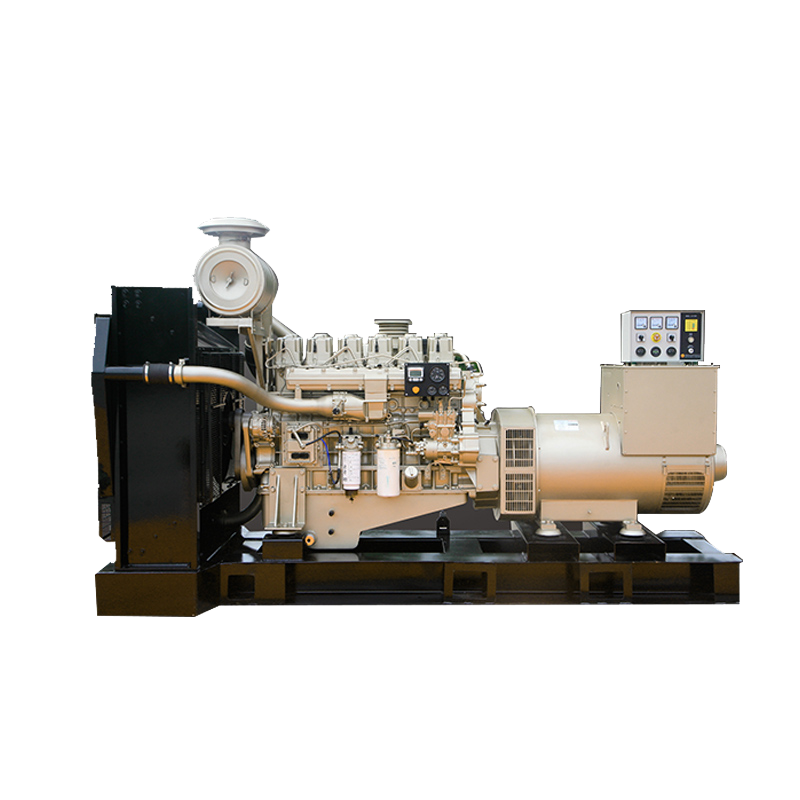
Diesel engine and generator set datasheets are packed with numbers. Reading them correctly is the easiest way to avoid buying an engine that is too small, too large or wrong for your electrical system. This guide explains the key figures, using the Jichai engines and generator sets we supply as examples.
Standby power vs normal power
Normal power (also called continuous or prime power) is what the engine can deliver for long periods. Standby power is a higher rating for limited running, such as emergency use. On the 6000 series, for example, the H12V190ZL is rated at 1,560 kW normal and 1,740 kW standby. For drilling rigs, power stations and other continuous duty, always size on normal power.
Speed and frequency
A generator’s frequency depends on its speed and number of poles. Common combinations are 1500 r/min for 50 Hz and 1200 r/min for 60 Hz, while medium-speed engines run at 750 r/min (50 Hz) or 720 r/min (60 Hz). This is why the 27/38 and 32/40 series are listed at 750/720 r/min, and why a 60 Hz set may use a different engine version from a 50 Hz set.
kW vs kVA and power factor
Engine output is given in kW. Generators are often also rated in kVA, which includes reactive power. The link is the power factor: kVA = kW ÷ power factor. A 1,500 kW set at a power factor of 0.8 corresponds to 1,875 kVA. Most of our sets are rated at 0.8, and some drilling sets at 0.7.
Fuel consumption
Fuel consumption is given in grams per kWh at rated load. Lower is better. Across our range it runs from 184 g/kWh on the 26/32 series to about 209 g/kWh on the 2000 series. For an engine running 6,000 hours a year, a few grams per kWh make a clear difference to the fuel bill.
Voltage and frequency regulation
- Steady-state voltage regulation (±2.5%): how closely voltage is held under constant load.
- Transient voltage regulation (+20% / −15%): the maximum voltage swing when a large load is switched on or off.
- Voltage recovery time (≤ 1.5 s): how quickly voltage returns to normal after that change.
- Frequency fluctuation (≤ 0.5%): how steady the frequency stays under constant load.
Protection grade and insulation class
IP23 means the generator is protected against solid objects over 12.5 mm and against spraying water at up to 60° from vertical, which suits installation inside an engine room or enclosure. Insulation class H means the windings are rated for a maximum temperature of 180 °C, giving a good margin for hot climates and heavy loads.
Emission standards
Land engines are often rated to US EPA tiers, marine engines to IMO tiers. The 175 series meets EPA Tier 2, and the 27/38 series meets IMO Tier II. Check which standard applies where the engine will run.
Compare models on our diesel generator sets and diesel engines pages, or send us your requirements through the RFQ guide.
Request a quotation
Tell us your application, required power, speed, fuel, voltage and frequency using our RFQ guide or the contact page. You can also email nora@qdhailong.com or call +86-532-66090318.